
Maintenance & adjustments
Replacing a lock cylinder yourself: key points to check
Replacing an accessible European cylinder can be straightforward on certain doors. However, it is essential to identify the mounting, select the correct part, and keep the door open during testing.
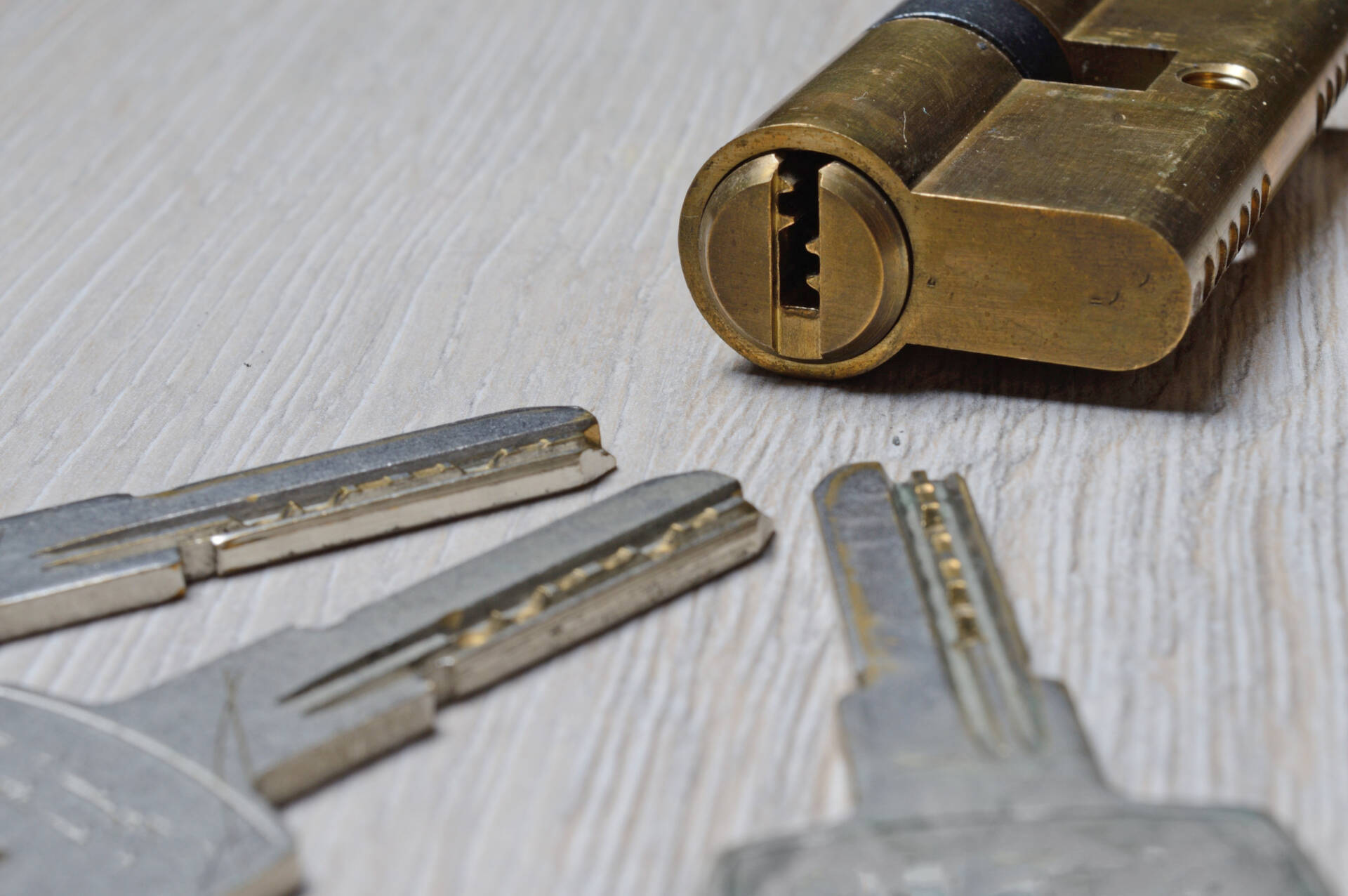
KEY POINTS
This procedure applies to a lock cylinder accessible on an open door. A locked door, a specific mechanism, or a blocked room requires a different diagnosis.
Inspect the room and prepare the measurements
The lock cylinder, or cylinder, is the part where the key enters. The lock case is another component. If the handle or the bolts operate poorly, replacing the cylinder does not necessarily resolve the issue.
Lift the profile, the lengths of each side of the fixing screw, the engagement and any useful functions. Take note of the external furniture and any internal button if present.
Deposit without forcing
Keep the door open. On a classic European installation, a screw on the edge retains the cylinder. After its removal, the key allows slight adjustment of the cam to clear the housing, according to the design.
If the cylinder does not come out freely, check for the presence of additional furniture or mounting. Do not force with pliers and do not randomly disassemble a full-length covered multipoint lock or a brand-specific system.
Install a compatible lock cylinder
Present the new part in the correct orientation, without constraints. Reinstall the appropriate mounting and tighten gently without excess. The cylinder must remain securely held while allowing smooth rotation.
On a cylinder certified A2P, replacement must follow the authorised configuration. A model of identical dimensions is not necessarily compatible with the certified features of the complete system.
Test before closing
Try all key types for the door. Check the operation of the bolts and the function of the button or optional disengagement. Then close gently and test the locking function without forcing.
If the lock only engages when the door is closed, check the adjustment and strike plates. Keep the references, any security card, and a spare key. In doubt, MULTISECU can carry out an appropriate replacement and inspect the full system.
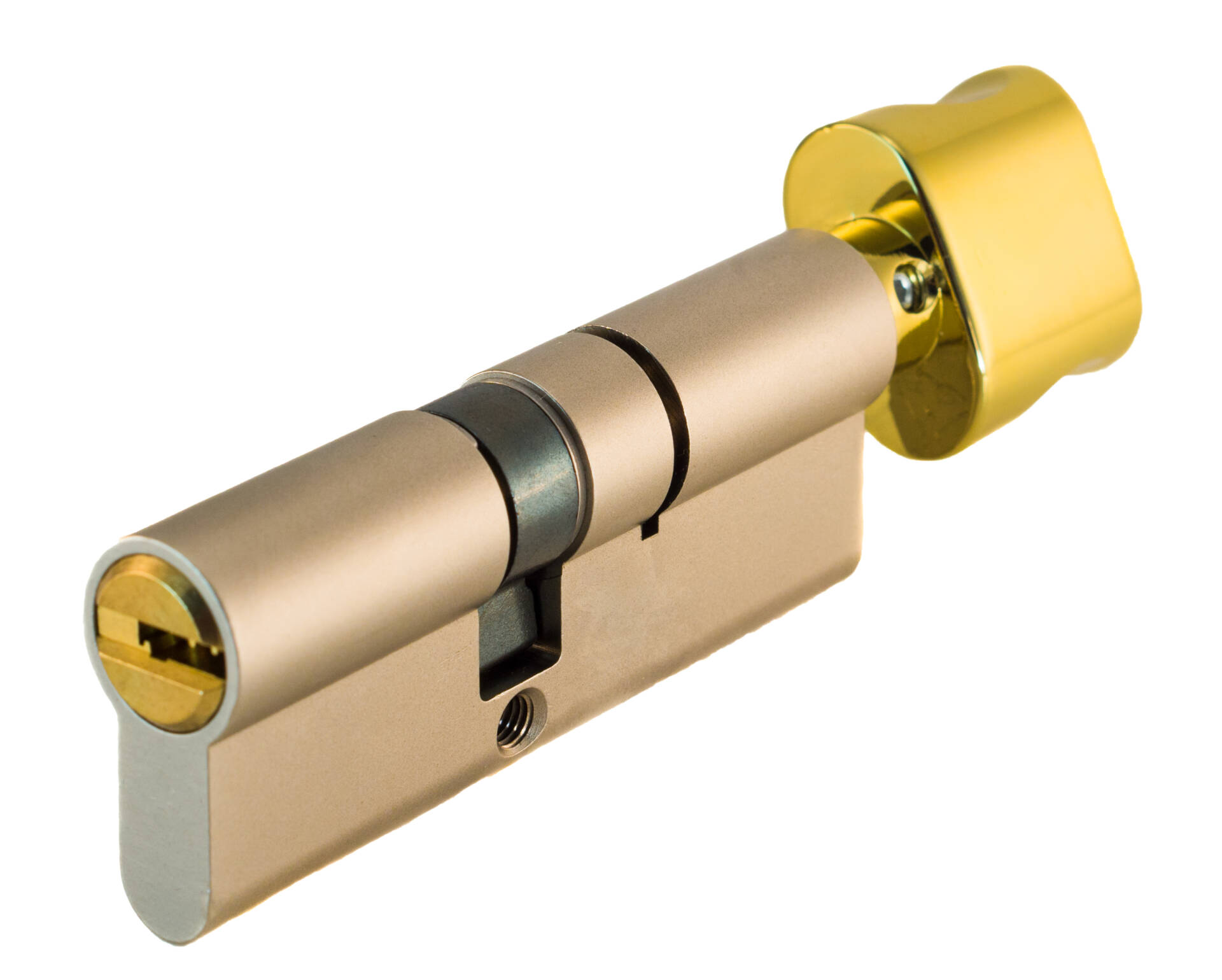
KEY VISUALS
MULTISECU ADVICE
Let’s move from your question
to the right solution.
A photo of your installation and a few details help us prepare the diagnosis. In Annecy and the surrounding areas, we explain the options best suited to your needs.