Locking & protection
The cylinder-operated rim deadlock
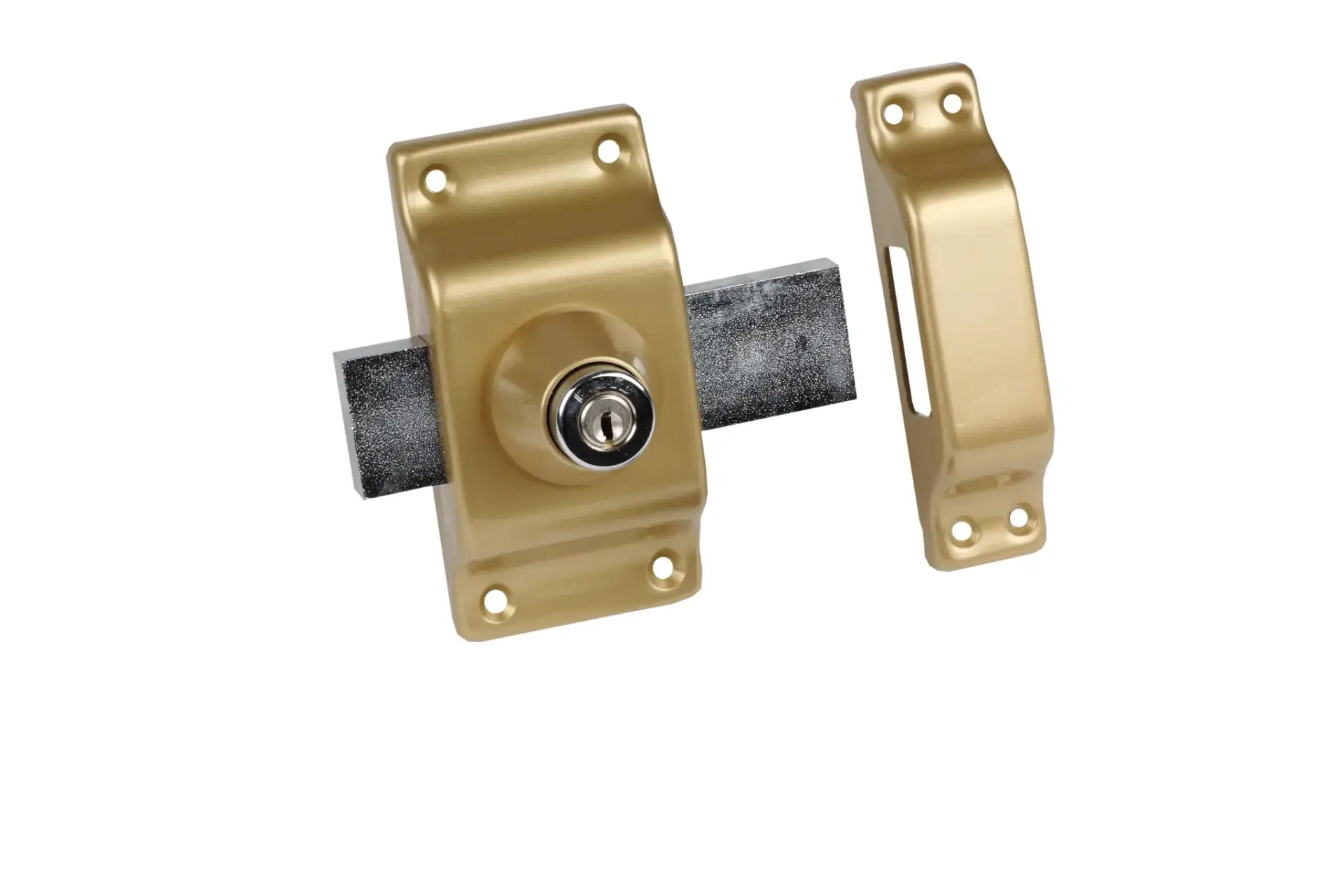
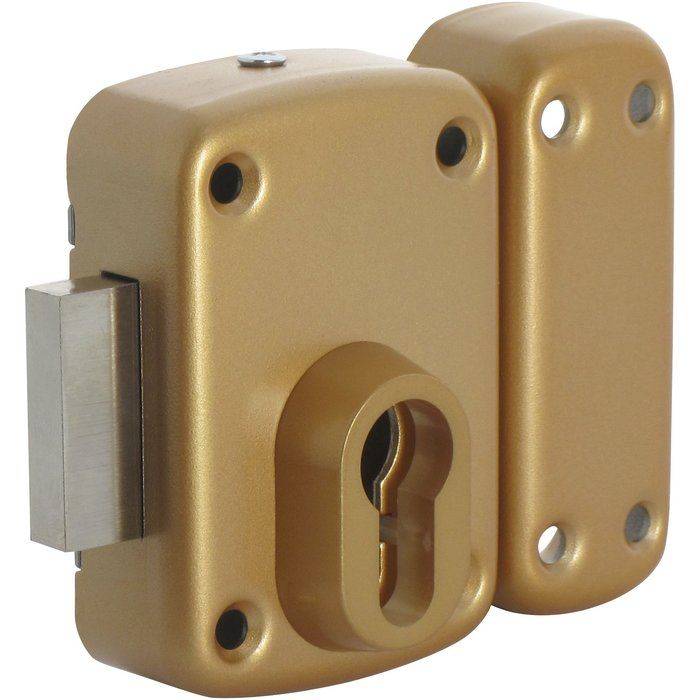
A cylinder lock combines a small lockbox, a bolt, and a cylinder operated by a key. It can complement a lock or secure a secondary access, depending on the model and the support's resistance.
THE KEY POINT TO REMEMBER
The lock case is typically installed on the interior side; the cylinder enables external control.
Operation
Turning the key, or the internal thumbturn where fitted, moves the bolt into or out of the strike. The lock case is attached to the door leaf and the strike to the frame.
This simple mechanism does not eliminate the need for proper fixation. A poorly secured strike plate or a weakened door limits the benefit of a more robust lock.
Internal button or double key entry
A button lock can be operated without a key from the interior. A double-entry model requires a key on each side. This choice affects both daily use and security.
Double entry is not automatically superior: evacuation needs, user requirements, and the proximity of a glass panel must be considered. For an evacuation exit, the solution must meet the requirements of that access.
Careful material selection
Check the door thickness, cylinder length, bolt travel, strike plate position, and mounting direction. A counterplate or cylinder protector may complement certain configurations.
Resistance to forced entry is assessed as a whole. Certifications, if any, pertain to specific references and defined installations; the lock's appearance does not imply these features.
Installation and maintenance
The installation must position the bolt facing its strike plate and use appropriate fixings for the door and frame materials. It should not be necessary to pull the door strongly to turn the key.
If the operation becomes difficult, first check the alignment and condition of the fixings. Do not apply lubricant randomly. A faulty deadlock may require adjustment, repair, or replacement depending on its design.
IN IMAGES

MULTISECU ADVICE
Uncertain about your lock?
A photo of the mechanism, along with some details about your door: we help you identify the right solution.